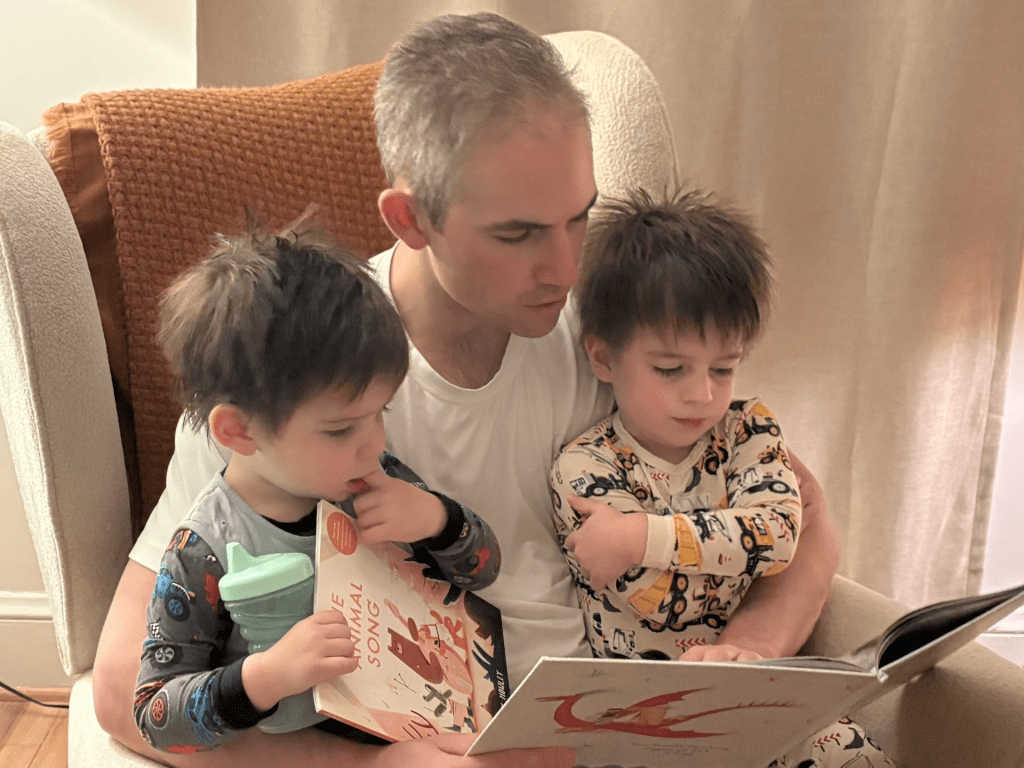
Can playing music while reading actually improve reading comprehension?
Music can certainly invoke emotions and memories, and it can also “set a mood”. As I mentioned in previous blogs, I would often play calm, instrumental music during reading and writing time when I was teaching. If we were learning about Ancient China, I would play instrumental Chinese music, if we were studying Ancient Egypt, I would play instrumental Egyptian music, and so on.
Instrumental (and not lyrical) music was chosen intentionally. I wanted the focus to be on the words the children were reading. When lyrical music is playing, there is a competition between words, a competition between the words on the page and the words within the music. It’s important to remember this when children are reading content that requires connections and inferencing; allow the focus to be on the printed words on the page.
Playing music from a specific culture set a mood in the classroom and added to the experience I was hoping to create. The kids would ask me to play cultural music if I happened to forget; they grew to expect and enjoy it.
An example of an exception to this would be if we’re reading “The Itsy Bitsy Spider” and playing or singing the song that goes along with it at the same time. This can actually enrich the reading experience. There is a book by Bob Thiele that has gorgeous illustrations to WHAT A WONDERFUL WORLD by Louis Armstrong. It is an absolute favorite as we can SING the book!
Why did music set the mood in my classroom? Can it set the mood and help reading focus and reading comprehension at home too? What happens in the brain?
In a Scientific Reports Study, The Effects of Background Music on Neural Responses and Reading Comprehension, findings revealed that “When music and cognitive tasks are presented successively, music listening can induce a positive mood, increase arousal levels, and improve subsequent cognitive processing.” The main finding of this study was that reading comprehension elicited a larger N400 effect with background music than without background music. The N400 wave is an event-related brain potential (ERP) measured using electroencephalography (EEG).
In simpler words: the brain is stimulated and more engaged when music is being played in the background. The type of music (classical vs pop) had somewhat of an effect, as well as music preferences and tastes. But the bottom line was that music can help our brains to engage and to actually understand the words we are reading.
Again, from personal experience in the classroom, I believe that the kind of music we select has an impact. When we were reflecting/writing on political points of view, I played The Piano Guys. When we needed to clean up the classroom, I played HAPPY by Pharrell! Both elicited the desired results!
Praise music can set our minds on things above and lift our hopes. Upbeat music can stimulate exercise and activity. Old tunes from days gone by bring back memories. It’s easy to understand that music does affect our minds and our moods.
So, we should certainly consider using music- happy and instrumental – when reading with our littles. They will enjoy the mood we’re setting, learn about various artists and music styles, and their sweet little brains will literally be more engaged!
Now, excuse me while I dance around the kitchen to Pharrell’s “Happy”.
Thanks for reading! Please share and subscribe for a weekly idea of how we can BOOK TIME WITH OUR KIDS!
Philippians 4:8: “Finally, brethren, whatsoever things are true, whatsoever things are honest, whatsoever things are just, whatsoever things are pure, whatsoever things are lovely, whatsoever things are of good report; if there be any virtue, and if there be any praise, think on these things.


Leave a Reply