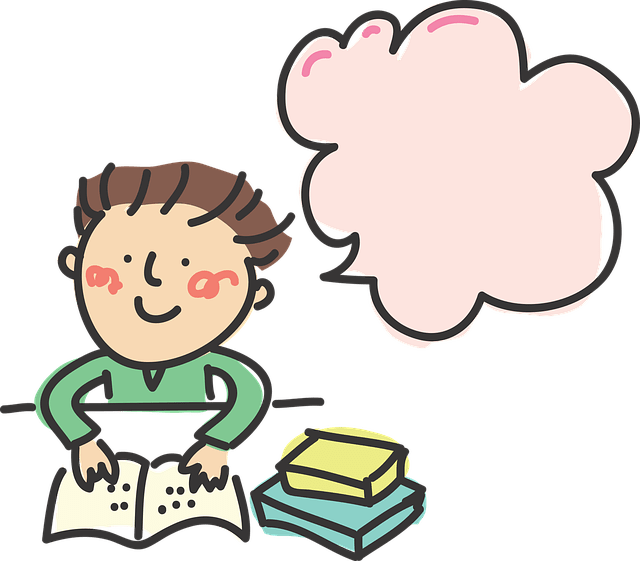
During the last three weeks, I’ve talked a bit about learning styles (Booking Time with Our Kids). There are four core learning styles in the VARK model. They include visual learners, auditory learners, kinesthetic learners and those who learn best through reading and writing. Since we are all uniquely created, our brains will process information in various ways. This week we will focus on the last of these learning styles: the very traditional model of learning through reading and writing.
In its article titled “4 Types of Learning Styles”, Sphero.com shares, “Reading & Writing Learners focus on the written word. Reading and writing learners succeed with written information on worksheets, presentations, and other text-heavy resources. These learners are note-takers and perform strongly when they can reference written text.”
There may be a misconception that this type of learner succeeds most in the classroom, and that the typical classroom setting is more comfortable for them than others. While this may have been more accurate in the past, the classroom today is full of movement, activity, technology and choices. The classroom today is very different from the classroom of my generation or even that of my grown children.
Here I am writing a weekly blog about how we can use books to help our kids. But, in the classroom teaching ancient history, I didn’t use many books (what?). We didn’t even have a textbook to access! I used selected books as supplemental materials, but the majority of our information came from historical websites and online resources. We followed a specific curriculum but did not use traditional resources. We also used a lot of charts and graphs, music, analyzing of documents and artifacts; sources that these “readers and writers” may not be as comfortable with.
These are the learners who can sit with a book for long periods of time and just get lost in the story. They just enjoy reading! They may like taking notes and putting information together in an organized fashion. They like handouts from the teacher that they can put into their notebooks to review information. Looking at text and reading it is an easy way for them to understand information, it’s just the way their brains remember!
At home, how can we prepare these learners for success in the classroom?
- Take regular “field trips” to the local library. Expose them to all the various genres of books from an early age (fiction, non-fiction, historical, fantasy, auto-biographical, etc).
- Definitely allot time for them to sit and read each day. You’ll be amazed at how much these kids will learn and retain on their own.
- Create a space for these kids to organize and store their books. These are the kids who will want to read a book more than once and refer to it over and over again.
- Consider getting a notebook or journal for these kids so that they can take notes and write their thoughts; this may be a very special time of reflection for them. A diary may be meaningful to this child.
- These kids will like to have organized, color-coded notebooks for different subjects in school, like visual learners. Neatness and organization may matter to these kids.
- These kids may enjoy reading time with Mom or Dad more than anyone else. Use that time to your advantage. “They grow up too fast” is such a true sentiment.
- Encourage your kiddo to write their own ending to a story they know, changing it up! Or, ask them to create an entire new story for a familiar character, involving a brand new adventure!
- Talk about the “PLOT” of a story after reading it together. The five parts of plot are exposition, rising action, climax (where the conflict is at its greatest), falling action, and resolution. These kids may be very good at creating a NEW RESOLUTION (Plot Lesson for Kids, Study.com).
- Discuss PLOT (the events that actually occur in the story) vs THEME (the moral of the story or the lesson learned). These kids are typically great with understanding PLOT but may need encouragement to infer the THEME, the message within the story.
- Again, ask your little one what helps them learn and remember. They may want to use high-lighters to mark information or make note-cards or flash-cards to highlight certain information, ideas, or characters.
All kinds of learners benefit from learning in different ways. The visual learner can benefit from an audio book, and the kinesthetic learner may like creating a chart in his notebook. These modalities are not rigid, quite the opposite. It’s good for us to be AWARE of how our kids learn best, but to EXPOSE them to all modes of learning. When we can provide opportunities in all areas in the developmental years, it can only benefit our kiddoes in the school years. As you “book time with your kids” you will be preparing them for success AND building memories together.
THANKS FOR JOINING ME! Please subscribe for a weekly idea on how we can BOOK SOME TIME WITH OUR KIDS!


Leave a Reply