One of our kids liked to read more than the other. Curt would sit and read book after book, and then he would reenact scenes from the story. He would imagine he was part of the story. Gina liked to read, but was ready to move on to a play activity after reading one or two stories. Stories would provide ideas for her barbies or for dance routines!
We tried to come up with fun ideas to make story time even more fun and meaningful. Some of these we tried, some I tried later in the classroom, and some I WISH I had tried!
- Read with an accent. My kids will tell you that I am not good at this; they will say it’s actually painful to hear me try to do this, but I did. We would read stories with an accent of choice, and sometimes spend an entire day pretending we were from “London” and would talk with an accent. BTW, Curt is SO GOOD with accents now.
- Leave out key words. When you’re reading the story to your children (again), leave out key words or phrases and let them say (or yell) that part out loud. Change the words that you omit each time so that the kids really have to listen.
- Create an alternate ending. Ask your kids: If you could change the ending of the story, how would you do it? What could you do to make the story funny or mysterious? Tell them how you would do this as well! Let them “read” the story with their new ending!
- Draw your favorite character and favorite part of the story. Use colored pencils or crayons to create what you think is the best event within the story. In the summer, use driveway chalk.
- Retell the story using cartoon figures. Recreate the story using cartoon stick figures. You can fold a piece of paper into 6-8 framed boxes and use each of the boxes for images and voice bubbles.
- Paint the theme. What lesson can be learned from this story? Using water colors, paint the theme or moral of the story. Observe how the blending of some colors creates new ones.
- Let the story continue. If you’ve just read a story like “The Giving Tree”, look for things all day long that TREES GIVE US. Continue using the story throughout the day to learn and observe the world around us. You can come up with a “day idea” for almost any story.
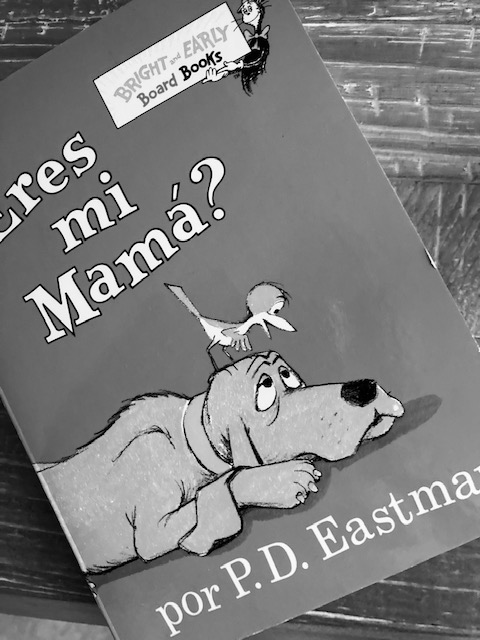
- Incorporate another language: read the same story in English or Spanish or French….Mom, this will involve some pre-planning, but it’s such a great way to learn new words.
- Tap along– when you’re reading a book with rhythm and rhyme, tap along to the natural rhythm of the story (the rhythm of many favorite stories is implanted in my brain, haha).
- Start teaching THEME– ask your kids, “What lesson can we learn from this story?” Don’t ask them what actually occurred (plot) but rather what lesson or moral can we infer from what happened?
Doing some of the right things with our kids may just mean doing things that are simple and quiet and reflective, away from technology and screens. Maybe BOOKING TIME WITH OUR KIDS is just the START of some much more meaningful and memorable.
*REPOST with EDITS
Thanks for reading! Please subscribe for a weekly idea of how we can BOOK TIME WITH OUR KIDS!- and SHARE!


 Nina Wheeling
Leave a comment